Outdoorsy vs RVshare The Two Giants of P2P RV Rental
Outdoorsy and RVshare are the two biggest peer-to-peer RV rental platforms in North America. Both connect private RV owners with renters. Both have insurance. Both have thousands of listings. The differences are in the details — and those details matter when you're spending $1,000+ on a rental.
Quick Answer
Outdoorsy wins for vehicle selection and unique listings — vintage Airstreams, converted school buses, luxury Class A's. RVshare wins on value — lower service fees and more budget-friendly options. For a first-time renter who just wants a straightforward Class C, RVshare is usually cheaper. For travelers who want something specific or unusual, Outdoorsy has a deeper inventory.
Side-by-Side Comparison
| Category | Outdoorsy | RVshare |
|---|---|---|
| Founded | 2015 | 2013 |
| Type | Peer-to-peer | Peer-to-peer |
| Price Range | $75-$500/night | $60-$450/night |
| Service Fee (renter) | 10-20% of rental | Usually lower (varies) |
| Insurance | Up to $1M liability | Up to $500K liability |
| Roadside Assistance | Included (24/7) | Add-on purchase |
| Vehicle Types | Widest variety (includes unique/vintage) | Standard RV types |
| Countries | USA, Canada, Australia, Europe | USA, Canada |
| One-Way Rentals | Owner-dependent | Owner-dependent |
| Pet-Friendly | Many listings | Many listings |
| Delivery | Available (owner-set fee) | Available (owner-set fee) |
| Cancellation | Flexible, moderate, strict tiers | Flexible, standard, strict tiers |
Pricing Breakdown
The nightly rate you see on both platforms is set by the vehicle owner. Where the platforms diverge is in the fees stacked on top of that rate.
Outdoorsy charges a service fee of roughly 10-20% on top of the rental price. On a $150/night rental for 7 nights ($1,050 base), you might pay $150-$210 in service fees. Insurance tiers add $10-$45/day depending on coverage level. Roadside assistance is included at no extra charge.
RVshare's fee structure has shifted over the years. Currently, renter fees tend to be slightly lower than Outdoorsy's, though the exact percentage varies by listing. Insurance is bundled differently — their standard protection plan covers the basics, with premium options available for $15-$40/day. Roadside assistance is an add-on, typically $7-$10/day.
Real-world example: A 7-night Class C rental with a $150/night base rate ends up costing roughly $1,500-$1,700 on Outdoorsy and $1,400-$1,600 on RVshare after all fees and insurance. The gap is $100-$200 per booking — meaningful but not enormous.
Vehicle Selection
This is where the platforms feel different. RVshare has a strong inventory of standard RV types — Class A's, Class C's, travel trailers, fifth wheels. It's the platform where owners of "normal" RVs tend to list. You'll find plenty of options but they're largely conventional.
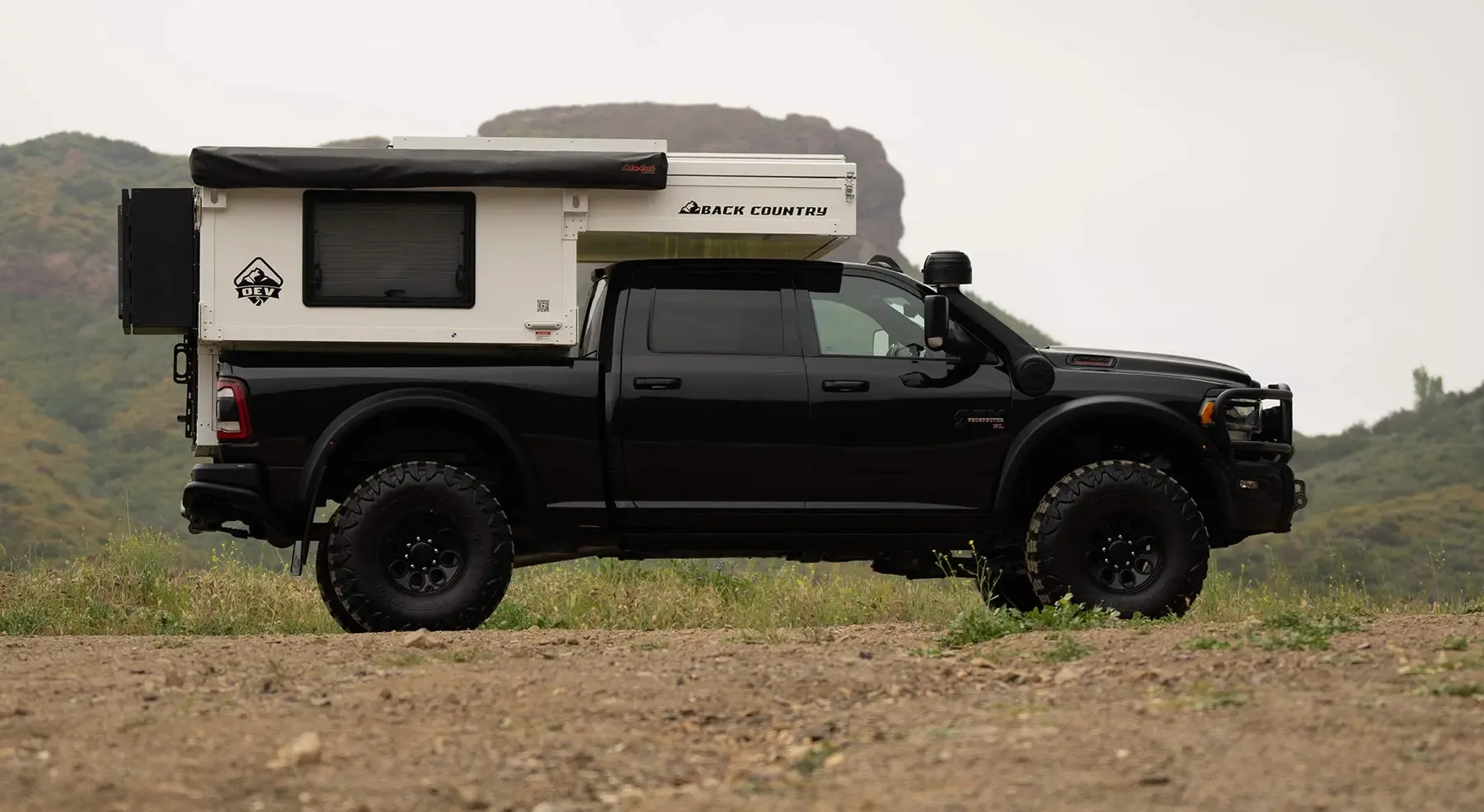
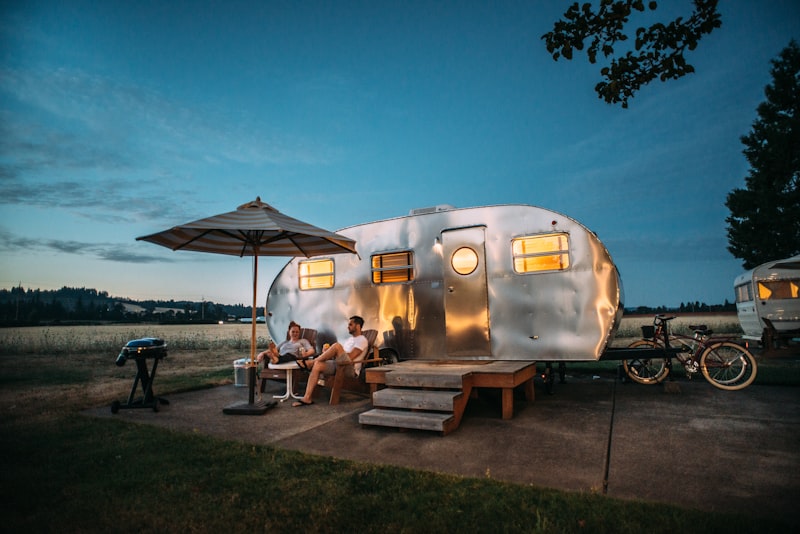
Outdoorsy attracts a broader range of vehicles including the unusual stuff. Vintage Airstreams, converted school buses (skoolies), custom Sprinter vans, teardrop trailers, overlanding rigs and specialty vehicles that don't fit neatly into RV categories. If you want something unique — a restored 1972 Airstream for a Mojave Desert photoshoot or a kitted-out Sprinter for a surf trip — Outdoorsy is where you'll find it.
For international listings, Outdoorsy wins by default. They operate in Australia, New Zealand and parts of Europe. RVshare is US and Canada only. If you're renting outside North America, Outdoorsy is your peer-to-peer option (though dedicated regional platforms like Jucy and Indie Campers are often better in their home markets).
Insurance and Protection
Outdoorsy provides up to $1 million in liability coverage through their insurance partner. They offer three tiers: basic, standard and premium. All rentals include 24/7 roadside assistance — flat tires, lockouts, towing and mechanical breakdowns. That included roadside assistance is a genuine differentiator.
RVshare offers up to $500,000 in liability coverage. Their protection plans cover damage, theft and mechanical issues. Roadside assistance is available as an add-on. The lower liability ceiling ($500K vs $1M) matters if you're renting a high-value Class A motorhome — one accident could exceed $500K in damages and medical costs.
Both platforms let your personal auto insurance and credit card rental coverage apply. Check with your insurer — some cover RV rentals, some don't. If your personal insurance covers RVs, you can decline the platform's insurance and save $10-$45/day.
Customer Support
Both platforms have mixed customer support reviews. The common complaints are similar: slow response times during peak season, difficulty reaching a human (chatbots first) and disputes over damage claims after the rental.
Outdoorsy's 24/7 roadside assistance line gets consistently better reviews than their general customer support. When something goes wrong with the vehicle mid-trip, Outdoorsy's response is reportedly faster and more helpful.
RVshare's support has improved in recent years. Their damage dispute process is more structured, with a clear timeline and escalation path. Some renters prefer the more systematic approach over Outdoorsy's sometimes inconsistent handling of claims.
When to Choose Each
Choose Outdoorsy if...
- → You want a unique or vintage vehicle
- → Higher insurance coverage matters to you
- → Included roadside assistance is a priority
- → You're renting outside the US/Canada
- → You want the widest overall selection
Choose RVshare if...
- → Budget is your top priority
- → You want a standard Class C or travel trailer
- → Lower fees matter more than unique selection
- → You prefer a structured damage dispute process
- → You want delivery options at competitive rates
More comparisons
Outdoorsy vs Cruise America · Cruise America vs El Monte · P2P vs Fleet Rentals · Apollo vs Britz