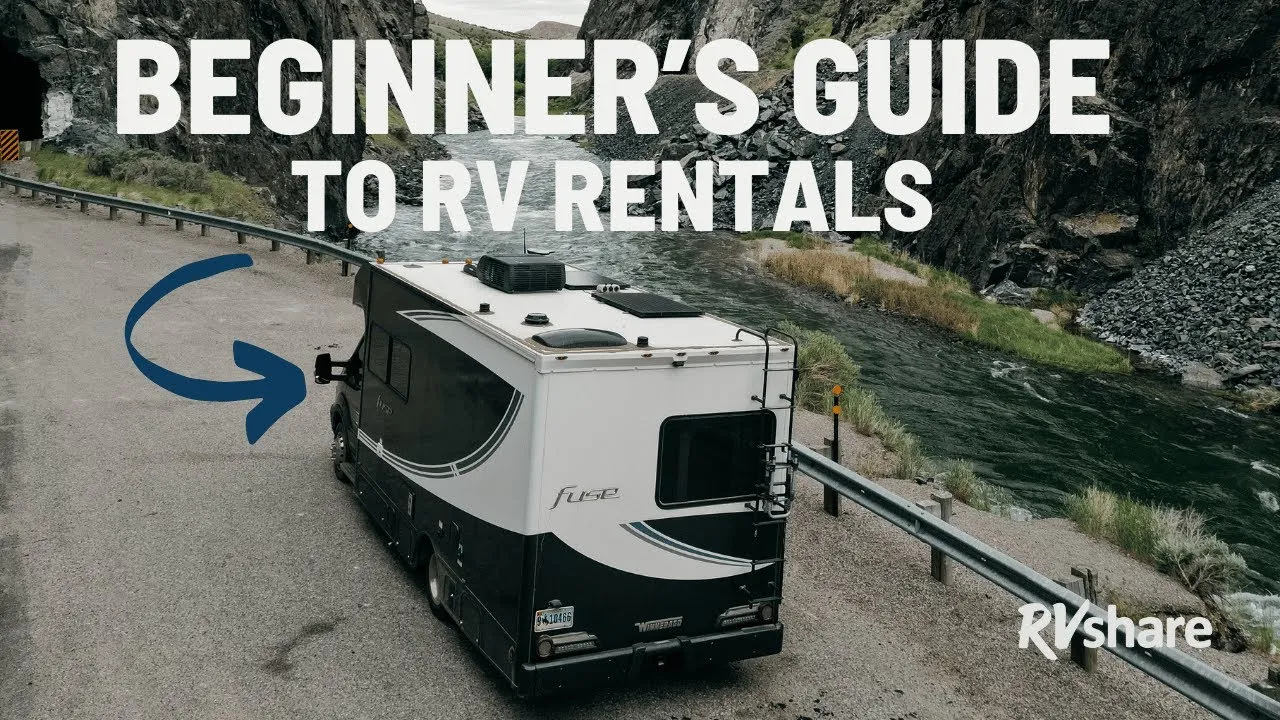
Beginner's Guide
Rent a Camper for the First Time Without the Stress
No experience required. This guide walks you through the entire process — from choosing a platform to returning the vehicle. Covers what the rental sites won't tell you.
Step 1: Pick the Right Platform
Two types of platforms exist. Peer-to-peer marketplaces (Outdoorsy, RVshare) where you rent from private owners. Fleet companies (Cruise America, Escape Campervans) where you rent from a company.
For first-timers: fleet companies offer a simpler, more predictable experience. Peer-to-peer platforms offer more selection and often better prices. See our full platform rankings for the breakdown.
Step 2: Choose Your Vehicle Size
The number-one first-timer mistake: renting too big. A 30-foot motorhome sounds exciting until you're merging onto the highway or backing into a campsite.
- → Solo or couple: Campervan or Class B (18-22 ft). Drives like a large van. Parks anywhere.
- → Family of 3-4: Class C (24-28 ft). Manageable for most drivers. All amenities included.
- → Large group (5+): Class A or large Class C (28-35 ft). Requires comfort with large vehicle driving.
- → Stationary camping: Travel trailer with delivery. You never drive the RV. Best for nervous first-timers.
For family-specific recommendations, check our family rental guide.
Step 3: Understand the True Cost
The nightly rate on the listing is never your final cost. Budget for these on top:
- → Service fees: 10-25% of the nightly rate (peer-to-peer platforms)
- → Insurance: $10-40/day depending on coverage level
- → Mileage overages: $0.25-0.50/mile after the included limit
- → Cleaning fee: $50-200 (one-time)
- → Fuel: RVs get 8-15 MPG. Budget $150-400 for a week-long trip.
- → Campgrounds: $25-75/night for full hookup sites
Full cost breakdown across all platforms in our camper rental cost guide. Budget tips in our cheapest rentals guide.
Step 4: Book Smart
Timing and homework make a big difference:
- → Book 2-3 months ahead for summer. Good vehicles sell out fast. Winter trips can be booked shorter-term.
- → Read reviews on the specific vehicle. Not just the platform — the individual listing. Look for mentions of cleanliness, accuracy and owner responsiveness.
- → Check the cancellation policy. Weather changes, kids get sick, plans shift. Flexible cancellation is worth paying a little more for.
- → Message the owner first. On P2P platforms, message the owner before booking. Ask about the vehicle's condition, any recent issues and their availability. Responsive owners are better owners.
- → Compare both P2P platforms. Check the same dates on both Outdoorsy and RVshare. Prices vary.
Step 5: Insurance — Don't Skip This
RV damage is expensive. A minor scrape can cost $2,000-5,000. A roof hit from a low clearance can total $10,000+. Don't gamble on the cheapest insurance tier to save $15/day.
Our recommendation for first-timers: Get the standard or premium tier. Yes, it costs more per day. But one mistake with the basic tier's $2,500 deductible wipes out all your savings and then some.
Before buying platform insurance, check whether your personal auto insurance or credit card covers RV rentals. Most don't — but some premium credit cards do. Call and verify before your trip.
Step 6: Pickup Day
Budget 45-60 minutes for the pickup walkthrough. Here's what to cover:
- → Take photos and video of every scratch, dent and blemish before leaving
- → Test all systems — AC, heat, water pump, stove, fridge, toilet flush
- → Learn the electrical panel (shore power, battery, generator switch)
- → Practice hooking up water, electric and sewer at the walkthrough
- → Get the vehicle height and write it on the dash
- → Ask about fuel type, tire pressure and any known quirks
- → Save the owner's/company's emergency phone number
Step 7: On the Road
First-timer driving tips that make a real difference:
- → Drive slow. Seriously. 55-60 mph max on highways. You're in a house on wheels. There's no rush.
- → Wide turns. Swing wide on right turns. The rear wheels cut inside tighter than you expect.
- → Watch your height. Gas station canopies, drive-throughs, tree branches, bridges. Know your clearance.
- → Use a spotter. When backing up, always have someone outside guiding you. Use hand signals.
- → Plan fuel stops. RVs get 8-15 MPG. Know where the truck-accessible gas stations are on your route.
- → Arrive at campgrounds before dark. Setting up hookups and leveling in the dark is miserable. Plan to arrive by 4-5 PM.
Step 8: Return
Make this painless:
- → Fill fuel to the agreed level (usually full or same as pickup)
- → Empty the holding tanks (gray and black water)
- → Remove all personal items and trash
- → Do a basic wipe-down of surfaces
- → Take photos of the vehicle's condition at return
- → Walk through with the owner and confirm condition in the app
Ready to pick a platform?
See our ranked platform list or jump to: Outdoorsy · RVshare · Cruise America · Escape Campervans. For pricing details, see our cost breakdown.
Frequently Asked Questions
What do I need to rent a camper?
Valid driver's license, credit card for deposit, age 25+ (21+ with surcharge on some platforms). No special license or RV experience required.
How far ahead should I book?
2-3 months for summer. 1-2 months for spring/fall. Last-minute works in winter but selection is limited.
Do I need RV experience?
No. The owner or company walks you through everything at pickup. Start with a smaller vehicle if you've never driven anything bigger than an SUV.