First Time RV Rental Guide From Nervous to Confident in One Read
Your first RV trip is intimidating. How big a vehicle do you need? Can you actually drive it? What happens when the toilet tank is full? This guide covers every question first-timers have — from choosing the right vehicle to avoiding the mistakes that ruin trips.
Choose the Right Vehicle
The single biggest first-timer mistake is renting too much vehicle. A 30-foot Class C motorhome sounds great until you're trying to park it at a gas station.
Campervan (Best for First-Timers)
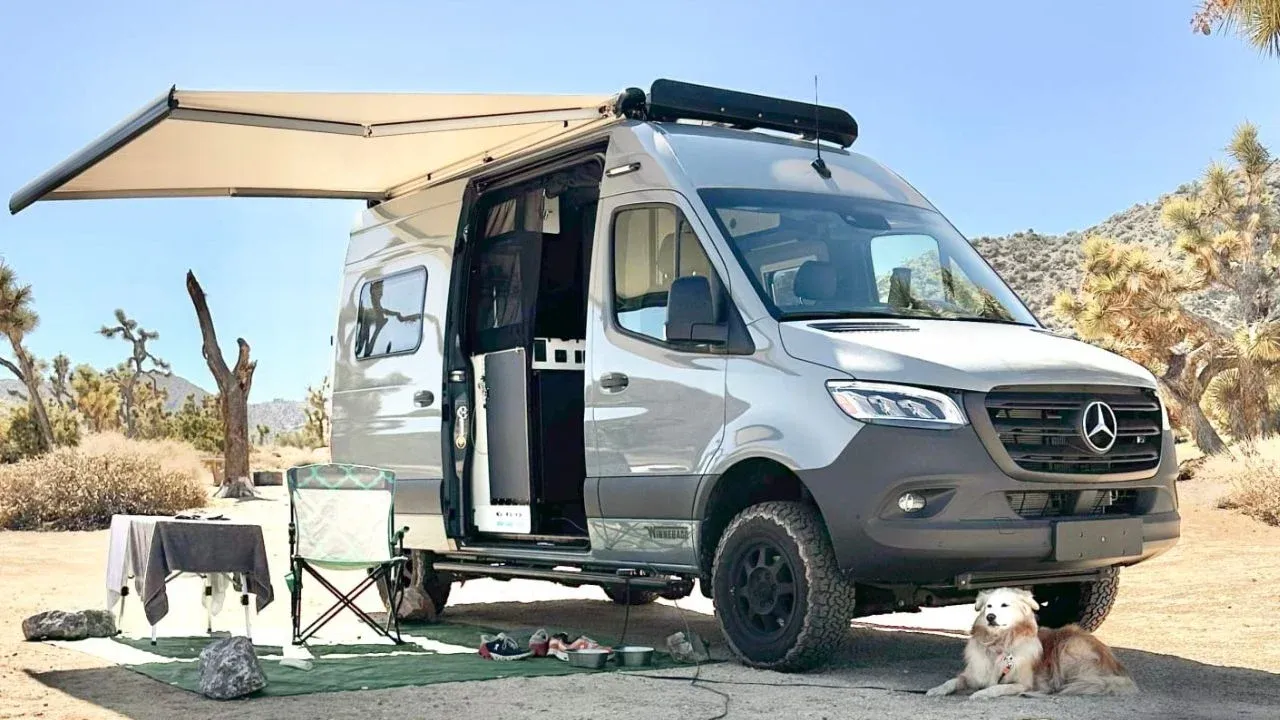
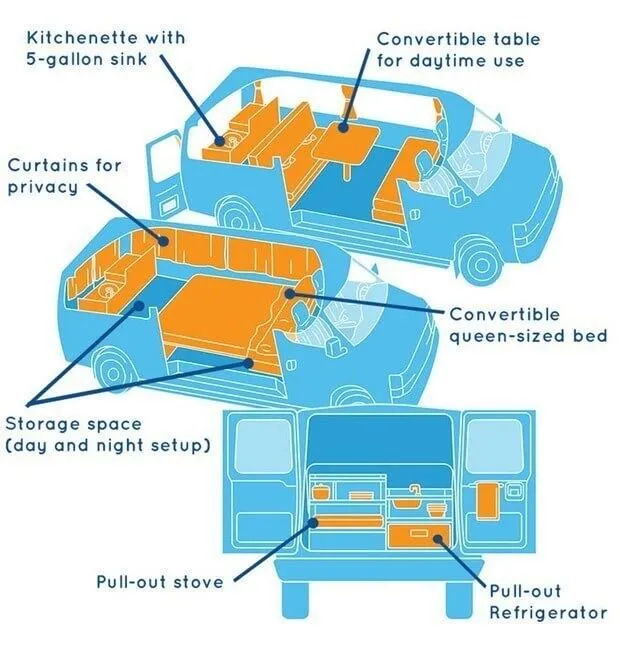
Drives like a large van. Parks in normal spots. Easy to maneuver. Sleeps 2 (sometimes 3). Has a kitchenette and a bed. Most don't have bathrooms — you use campground facilities. $75-$200/night. If you've never driven anything larger than an SUV, start here. Check our campervan guide for details.
Class C Motorhome (Most Popular)
The classic RV shape — cab-over bed above the driver's area. 22-32 feet. Sleeps 4-8. Has a bathroom, kitchen, dining area and sometimes a generator. Drives like a large truck. $150-$350/night. Takes 30-60 minutes to feel comfortable driving. Most first-timers do fine after a few hours. See our Class C breakdown.
Travel Trailer (Requires Tow Vehicle)
Towed behind your truck or SUV. Separates your living space from your driving vehicle. Backing up a trailer is a skill — practice before your trip. $50-$150/night for the trailer alone. Many owners on RVshare and Outdoorsy deliver the trailer to your campsite — you never tow it at all.
Driving an RV
- → Practice first. Spend 15-20 minutes in a parking lot after pickup. Practice turns, backing up and judging your width. Use your mirrors constantly. The side mirrors are your best friend — you can't see out the back.
- → Know your height. Write it on a sticky note on the dashboard. Low bridges, drive-throughs, gas station canopies and parking garage entrances are all potential collisions. Most campervans clear everything. Class Cs are 10-12 feet tall. Gas station canopies are usually 13+ feet but don't assume.
- → Wide turns. Swing wide on right turns to avoid clipping curbs with the rear wheels. The rear of the vehicle tracks inside the front — the longer the vehicle, the wider you need to turn.
- → Braking distance. An RV weighs 8,000-20,000 lbs. It doesn't stop like a car. Leave 4-5 seconds of following distance instead of the usual 2-3. Brake earlier for stops. Downshift on mountain descents to save your brakes.
- → Wind matters. High-profile vehicles catch crosswinds. Semi trucks passing you at highway speed will push you sideways. Grip the wheel firmly. If wind is extreme (40+ mph), slow down or pull over. This is especially true in open plains and mountain passes.
Campground Booking Basics
- → Full hookup sites have water, electric and sewer connections. Best for longer stays. $30-$60/night at private campgrounds. National and state parks rarely have full hookups.
- → Electric-only or water/electric sites are the most common at public campgrounds. $20-$40/night. You'll need to use a dump station for your waste tanks when leaving.
- → Dry camping (boondocking) means no hookups. Free or very cheap. Your batteries, water tank and propane are your resources. Most RVs can dry camp 2-3 days before needing a refill.
- → Book ahead in summer. National parks and popular state parks sell out months in advance. Private campgrounds like KOA are usually available with a week's notice. Apps like Campendium, The Dyrt and iOverlander help find last-minute spots.
Common First-Timer Mistakes
Planning too many miles per day
200-250 miles/day is a comfortable maximum. RVs average 55-65 mph with stops. Factor in setup time at each campground (30-60 min). Your trip will be better with fewer miles and more time at each stop.
Forgetting the walkthrough
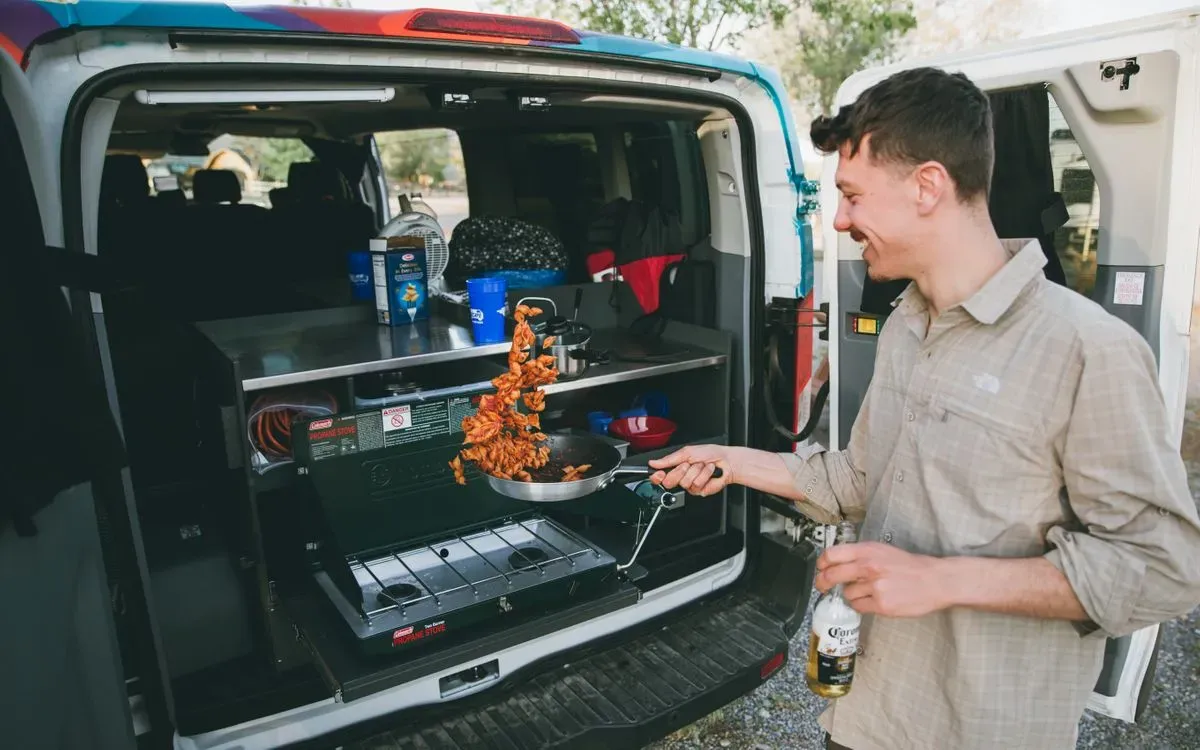
At pickup, the rental company walks you through the vehicle systems. Pay attention. Take notes or video. You need to know how to turn on the water pump, light the stove, operate the heater and dump the waste tanks. Asking questions at pickup saves panicked phone calls at 10pm in a campground.
Not checking the return policy
Most rentals require a full fuel tank, emptied waste tanks and a clean interior at return. Failing any of these means fees ($50-$200). Plan your last morning to include a fuel stop and dump station visit before returning the vehicle.
Skipping insurance review
Understand what your rental insurance covers and what it doesn't. Check if your auto insurance or credit card covers RV rentals (most don't). Deductibles on RV damage can be $1,000-$5,000. CDW (Collision Damage Waiver) is worth the $15-$30/day for peace of mind on your first trip.
More guides: rental costs · packing list · best rental sites · vehicle types